

 By
ByIn the fast-paced world of business and decision-making, clarity is power. Whether you’re launching a startup, refining a marketing strategy, or evaluating a new investment, understanding your position in the market is essential. One of the most effective tools for gaining this clarity is SWOT analysis—a structured framework that helps organizations and individuals assess their internal capabilities and external environment. By examining Strengths, Weaknesses, Opportunities, and Threats, SWOT analysis provides a comprehensive snapshot of where you stand and where you could go.
🔍 What Is SWOT Analysis?
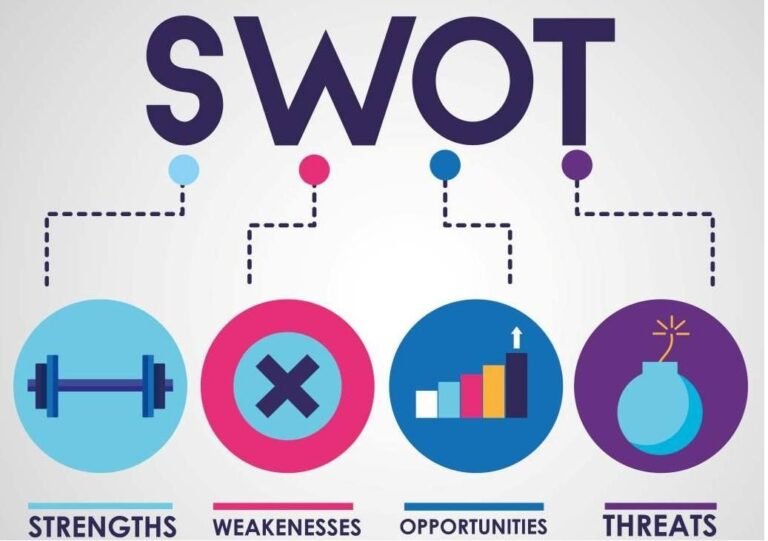
SWOT analysis is a strategic planning tool used to identify and evaluate the key factors that influence an organization’s success. It’s divided into four components:
- Strengths: Internal attributes that give you a competitive advantage.
- Weaknesses: Internal limitations that hinder performance or growth.
- Opportunities: External chances to improve, expand, or innovate.
- Threats: External risks or challenges that could negatively impact your goals.
This framework is widely used in strategic planning, market positioning, and risk assessment, helping businesses make informed decisions and allocate resources effectively.
 🧠 Internal Factors: Strengths and Weaknesses
The first half of SWOT analysis focuses on internal factors—those within your control.
✅ Strengths
Strengths are the assets and capabilities that set you apart from competitors. These could include:
- A strong brand reputation
- Proprietary technology or intellectual property
- Skilled workforce or leadership
- Efficient processes or cost advantages
- Loyal customer base
Identifying strengths allows you to leverage them in your competitive strategy, whether that’s entering new markets, launching new products, or negotiating better deals.
❌ Weaknesses
Weaknesses are areas where your organization may be underperforming or vulnerable. Common examples include:
- Limited financial resources
- Outdated technology
- Poor customer service
- Lack of brand awareness
- Inefficient operations
Recognizing weaknesses is not about self-criticism—it’s about gap analysis. By understanding where you fall short, you can prioritize improvements and avoid costly missteps.
🌍 External Factors: Opportunities and Threats
The second half of SWOT analysis examines external factors—those outside your control but critical to your success.
🌟 Opportunities
Opportunities are favorable external conditions that could help you grow or improve. These might include:
- Emerging markets or customer segments
- Technological advancements
- Regulatory changes that benefit your industry
- Strategic partnerships or acquisitions
- Shifts in consumer behavior
Spotting opportunities requires environmental scanning—keeping a pulse on industry trends, competitor moves, and macroeconomic shifts. When aligned with your strengths, opportunities can fuel innovation and expansion.
⚠️ Threats
Threats are external challenges that could disrupt your progress. These include:
- New competitors entering the market
- Economic downturns or inflation
- Changing regulations or compliance issues
- Negative press or public perception
- Supply chain disruptions
Effective risk assessment involves not just identifying threats but preparing contingency plans. By anticipating potential obstacles, you can build resilience and maintain strategic agility.
 📊 Strategic Applications of SWOT
SWOT analysis isn’t just a theoretical exercise—it’s a practical tool for decision-making across various domains:
- Marketing: Tailor campaigns to highlight strengths and address weaknesses.
- Product Development: Align features with market opportunities and avoid costly misfires.
- Business Expansion: Evaluate new markets based on external opportunities and internal readiness.
- Human Resources: Identify skill gaps and training needs.
- Financial Planning: Allocate resources based on strategic priorities.
It’s also a powerful tool for resource allocation, helping leaders decide where to invest time, money, and effort for maximum impact.
🧩 How to Conduct a SWOT Analysis
Here’s a simple step-by-step guide:
- Gather a cross-functional team: Include voices from marketing, operations, finance, and customer service.
- List internal strengths and weaknesses: Be honest and specific.
- Identify external opportunities and threats: Use data, trends, and competitor analysis.
- Prioritize findings: Focus on the most impactful items.
- Develop strategic actions: Turn insights into plans—capitalize on strengths and opportunities, mitigate weaknesses and threats.
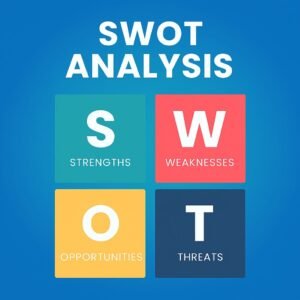
For added clarity, many businesses use a SWOT matrix—a four-quadrant chart that visually organizes the findings.
💡 Final Thoughts: From Insight to Action
SWOT analysis is more than a checklist—it’s a lens through which you can view your business with strategic clarity. By understanding your internal capabilities and external environment, you position yourself to make smarter decisions, adapt to change, and seize growth opportunities.
In today’s competitive landscape, success isn’t just about having the right resources—it’s about knowing how to use them. SWOT analysis empowers you to do just that.